
Parent-Child Interaction
Physical books create a shared space for conversation and connection. When a parent reads a personalized book to a child, the focus is on the two of them, not on a glowing screen. This undivided attention strengthens the emotional bond between caregiver and child. The act of turning pages together and discussing the illustrations encourages dialogue that digital interfaces often interrupt with notifications or auto-advancing content. according to Kids Understand More
Shared Attention and Bonding
Shared attention is a critical component of early childhood development. A printed book allows parents and children to point at details, ask questions, and react to the story simultaneously. In the context of personalized Wizard of Oz coloring books, the child sees their own face in the story. This unique element sparks immediate conversation and curiosity. The child becomes an active participant rather than a passive viewer, which deepens the interactive experience. according to Kids Understand More
Reducing Screen Distraction
Reading Comprehension
Reading comprehension is the ability to understand and interpret written text. Research suggests that children often understand more from physical books than from screens, particularly at younger ages. The tactile nature of a book helps children track their place in the story and maintain focus. When the text is personalized, the child is more likely to engage with the words because they see themselves as the protagonist.
Visual and Textual Integration
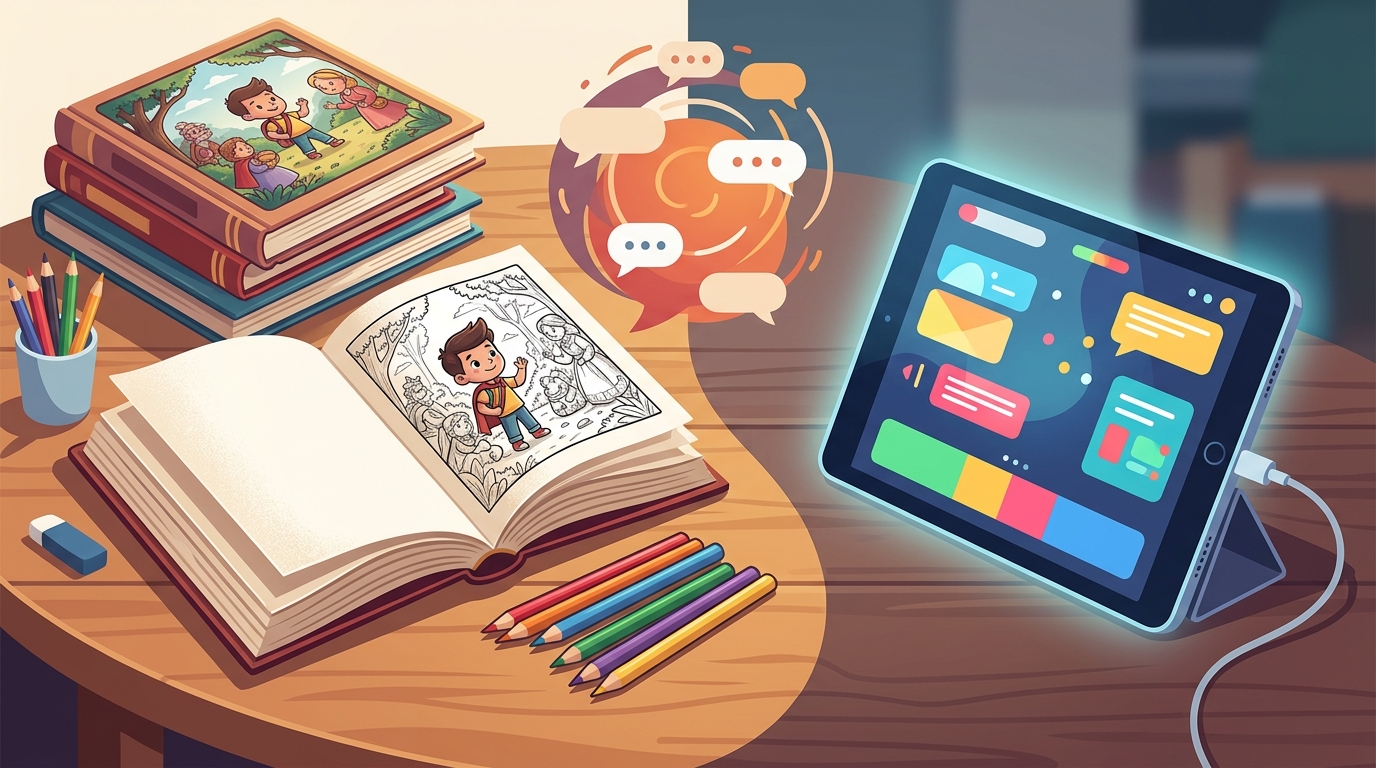
Personalized books integrate the child's identity with the narrative. This connection helps bridge the gap between the text and the child's own experience. For example, in a personalized Alice in Wonderland coloring book, the child follows their own character through the story. This self-referential element aids memory retention and comprehension. The child is not just reading about a character; they are reading about themselves, which makes the narrative more meaningful and easier to follow.
Focus and Attention Span
Digital screens can fragment a child's attention. Physical books require the child to turn the page manually, which provides a natural pause for reflection. This pacing allows the child to process the information before moving on. The absence of hyperlinks and interactive buttons on a printed page helps maintain a steady flow of reading, which is crucial for developing long-term comprehension skills.
Personalization Effects
Personalization is the process of customizing a product to reflect an individual's identity. In the context of children's books, personalization involves inserting the child's name and likeness into the story. This technique transforms a generic narrative into a unique experience. The child feels a sense of ownership and pride, which motivates them to engage with the book more deeply.
Identity and Self-Esteem
Seeing their own face in a book can boost a child's self-esteem. It validates their place in the story and makes them feel special. This is particularly effective for children who may struggle with confidence. A personalized Peter Pan coloring book allows the child to imagine themselves as a hero, fostering a positive self-image. The personalization makes the story feel like it belongs to them, which encourages repeated reading and engagement.
Emotional Connection to the Story
Personalized books create a stronger emotional connection than standard books. The child is not just observing the adventure; they are living it. This emotional investment leads to a deeper appreciation of the story's themes and messages. The child is more likely to remember the details of the story because they are personally involved in the outcome. This connection extends beyond the reading session, as the child may refer back to the book for comfort or inspiration.
Learning Outcomes
Fine Motor Skills and Creativity
Coloring a personalized book requires precise hand movements and control. This practice strengthens the small muscles in the hand and fingers, which is essential for writing and other fine motor tasks. The child also exercises creativity by choosing colors and interpreting the scenes. This creative process is more tactile and satisfying than selecting colors on a digital screen. The physical act of coloring provides a sensory experience that digital apps cannot replicate.
Narrative Understanding and Sequencing
Personalized books help children understand narrative structure. They learn how stories begin, develop, and conclude. The child follows their own character through a sequence of events, which reinforces the concept of cause and effect. This understanding is fundamental to literacy and critical thinking. The physical book provides a tangible representation of this sequence, as the child can flip back and forth to review the story's progression.
Print vs. Digital Comparison
The following table summarizes the key differences between printed personalized books and digital apps for children.
| Feature | Printed Personalized Book | Digital App |
|---|---|---|
| Interaction Type | Tactile, hands-on coloring and reading | Touchscreen tapping and swiping |
| Screen Time | Zero screen time | Requires screen time |
| Personalization | Child's face and name in the story | Avatar or generic character |
| Longevity | Physical keepsake that lasts years | Digital file that can be deleted or lost |
| Focus | Singular focus on the story | Potential for distractions and notifications |
| Motor Skills | Enhances fine motor skills through coloring | Limited physical engagement |
Key Takeaways
- Printed books encourage deeper parent-child interaction by providing a shared, distraction-free experience.
- Personalization boosts a child's engagement and self-esteem by making them the hero of the story.
- Coloring personalized books enhances fine motor skills and creativity in a tactile way.
- Digital apps may offer convenience but often lack the depth of interaction and longevity of physical books.
- Printed books serve as lasting keepsakes that children can revisit throughout their lives.
- The absence of screen time in physical books helps protect children's attention spans and visual health.
- Personalized books make classic stories more relatable and memorable for young readers.
Frequently Asked Questions
Are personalized books better than digital apps for learning?
Personalized books are often better for learning because they encourage active engagement and hands-on interaction. The child is more likely to focus and retain information when they see themselves in the story. Digital apps can be useful, but they may not provide the same depth of interaction.
How does personalization affect a child's confidence?
Personalization can boost a child's confidence by making them the protagonist of the story. Seeing their own face in the book validates their importance and encourages a positive self-image. This can be particularly beneficial for children who struggle with self-esteem.
Do printed books help with fine motor skills?
Yes, printed books help with fine motor skills. The act of coloring requires precise hand movements, which strengthens the small muscles in the hand and fingers. This practice is essential for developing writing skills and other fine motor tasks.
Can I order a personalized book as a gift?
Yes, you can order a personalized book as a gift. You can upload a photo of the child and add their name, then ship it directly to the recipient. This makes it a thoughtful and unique gift for birthdays, holidays, or special occasions.
How long does it take to receive a personalized book?
Printed books are typically produced and shipped within a few business days. Delivery time depends on your location. You can track your order once it ships to follow its journey to your door.
Are personalized books suitable for all ages?
Personalized books are suitable for a wide range of ages. Younger children enjoy the coloring and simple stories, while older children and adults appreciate the nostalgia and personal touch. They make a great gift for kids, adults, and collectors alike.