
Reading Comprehension
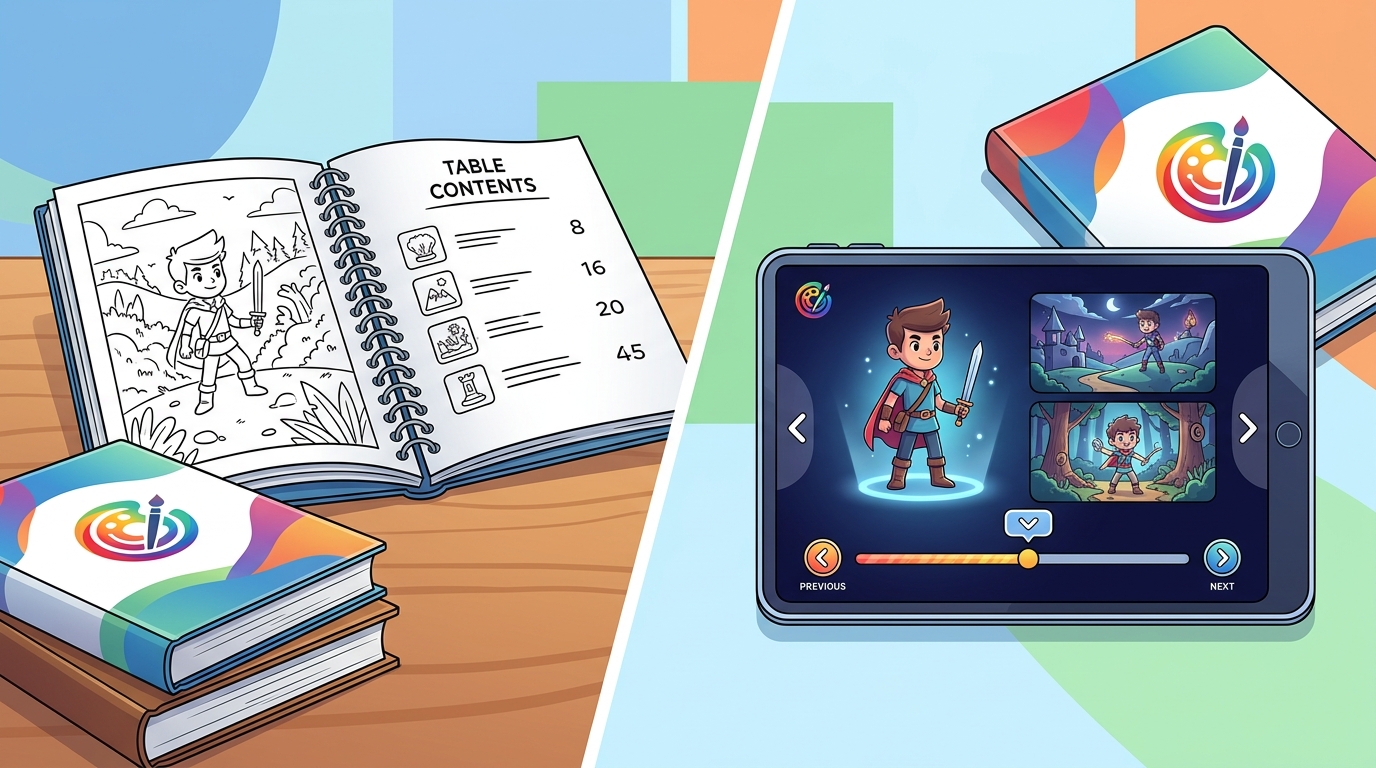
Reading comprehension is the ability to understand and interpret written text. When children interact with a physical book, they often develop stronger spatial awareness of the narrative structure. They can see the beginning, middle, and end as physical objects in their hands. This spatial mapping helps them track the story's progression more effectively than scrolling through a digital screen.
Visual Focus and Retention
Physical pages provide a stable visual field. Digital apps often use animations or auto-scrolling features that can pull the eye away from the text. A printed book allows the child to control the pace. They can look at a specific illustration for as long as they need. This control supports deeper processing of the story elements.
Personalization and Connection
At Color My Classics, we create books where the child is the hero. Seeing their own face in the story creates an immediate emotional connection. This personal stake in the narrative encourages them to read more carefully. They are not just observing a character; they are living the adventure. This engagement often leads to better recall of plot points and character motivations.
Tactile Multisensory Experience
A tactile multisensory experience is a learning method that engages touch, sight, and sometimes sound simultaneously. For young children, learning is not just visual; it is physical. Holding a book, turning pages, and using crayons to color engages the motor skills that digital screens cannot replicate. The texture of the paper and the resistance of the crayon provide sensory feedback that anchors the learning experience in the physical world.
The Power of Creation
Coloring is an active creative process. When a child colors a page, they are making decisions about color, shading, and detail. This active participation transforms them from passive consumers into active creators. In our personalized books, the child colors their own adventure. This act of creation reinforces the story in their memory. It turns a reading session into a hands-on workshop of imagination.
Motor Skill Development
Word Learning
Word learning is the process of acquiring new vocabulary and understanding its meaning in context. Physical books allow for a slower, more deliberate pace of reading. This pace gives children time to process new words. In a digital app, the temptation to tap forward or skip ahead can rush this process. A printed book encourages the child to linger on a page. They can point to a word, ask a question, and discuss its meaning with a parent or caregiver.
Contextual Reinforcement
When a child sees a new word next to an illustration they have just colored, the connection is stronger. The visual context of the story, combined with the physical act of coloring, reinforces the word's meaning. For example, if the word is "curious," and the child has just colored a scene where their character is looking into a rabbit hole, the word gains immediate, tangible meaning. This contextual reinforcement is a powerful tool for vocabulary expansion.
Repetition and Review
Screen Distractions
Screen distractions are the various elements in digital environments that pull attention away from the primary task. Digital apps are designed to be engaging, often using bright colors, sounds, and notifications. While these features can be fun, they can also fragment a child's attention. A child using a reading app may be distracted by a pop-up, a sound effect, or the urge to tap the screen. This fragmentation can reduce the depth of engagement with the story.
Focus and Attention Span
Health and Well-being
Shared Reading Engagement
Shared reading engagement is the interactive process of reading together, where a caregiver and child discuss the story. This interaction is a critical part of early literacy development. A physical book is a natural object for sharing. It sits on a lap, on a table, or in a cozy corner. It invites the child and caregiver to sit close together. The physical presence of the book facilitates conversation, pointing, and emotional connection.
Conversation and Bonding
When reading a personalized book, the conversation becomes more personal. The caregiver can ask, "What do you think will happen next?" or "Why did you color the sky blue?" These questions encourage the child to think critically and express their thoughts. The shared experience of creating and reading the book strengthens the bond between the caregiver and the child. It becomes a special ritual, a time of connection and joy.
Collaborative Creation
Coloring a book together is a collaborative activity. The caregiver can help the child with difficult details or suggest color combinations. This collaboration turns the activity into a shared project. It is not just about reading; it is about creating together. The resulting book is a tangible record of that shared time. It is a keepsake that reminds the child of the special moments spent with their loved one.
Format Comparison
The following table summarizes the key differences between printed personalized books and digital apps for children.
| Feature | Printed Personalized Book | Digital App |
|---|---|---|
| Tactile Experience | High (touch, texture, motor skills) | Low (touchscreen only) |
| Screen Distractions | None | High (notifications, sounds, animations) |
| Personalization | Child's face and name in story | Avatar or generic character |
| Shared Engagement | High (physical object for sharing) | Moderate (shared screen) |
| Longevity | Keepsake (physical object) | Digital file (can be deleted) |
| Cost | One-time purchase | Subscription or one-time app fee |
Key Takeaways
- Tactile engagement through coloring and page-turning develops fine motor skills.
- Personalized books create a stronger emotional connection, boosting reading motivation.
- Shared reading with a physical book fosters deeper conversation and bonding.
- A printed book is a lasting keepsake, while a digital file is temporary.
- Choosing a physical book is a simple way to reduce screen time while providing quality content.
Frequently Asked Questions
Is a personalized book better than a generic book?
Yes, for many children. Personalization creates a direct emotional link. The child sees themselves in the story, which increases engagement and motivation to read and color.
Can digital apps replace physical books?
What age is best for personalized coloring books?
Personalized books are suitable for a wide range of ages. Younger children enjoy the coloring aspect, while older children appreciate the story and personalization.
How does personalization affect reading comprehension?
It increases motivation and attention. When a child is the hero, they are more likely to read carefully and remember the story details.
Are printed books more expensive than apps?
They may have a higher upfront cost, but they are a one-time purchase. Apps often require subscriptions or in-app purchases. A physical book is a lasting investment.
Can I use a personalized book for shared reading?
Absolutely. It is an excellent tool for shared reading. The personalization makes the conversation more engaging and personal.
Conclusion
Choosing between a printed personalized book and a digital app depends on your goals. If you want to foster tactile engagement, reduce screen distractions, and create a lasting keepsake, a printed book is the superior choice. Color My Classics offers a unique way to make your child the hero of their own story. Explore our Wizard of Oz and Alice in Wonderland collections to see how personalization transforms classic tales. Visit our gift guide for more ideas, or check out our FAQ for more details. Create your adventure today and give your child a story they will treasure forever.